


Description
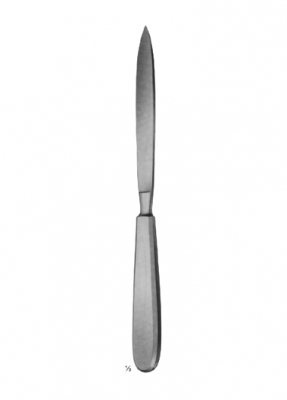
Amputating Knives Cartilage Knives Autopsy Knives AE 01 2150 01 2153
Amputating Knives Cartilage Knives Autopsy Knives AE 01 2150 01 2153
Amputating Knives, Cartilage Knives, and Autopsy Knives – AE 01 2150 to AE 01 2153
Precision Engineered Surgical Blades for Specialized Procedures
The AE 01 2150 to AE 01 2153 range includes a selection of premium Amputating Knives, Cartilage Knives, and Autopsy Knives, each designed to meet the stringent demands of specialized surgical and post-mortem procedures. Crafted from high-grade surgical stainless steel, these instruments offer exceptional durability, cutting precision, and ergonomic performance, ensuring superior control in the operating room, pathology lab, or forensic setting.
This category includes three major types of blades:
Amputating Knives Cartilage Knives Autopsy Knives AE 01 2150 01 2153
Amputating Knives Cartilage Knives Autopsy Knives AE 01 2150 01 2153
Amputating Knives Cartilage Knives Autopsy Knives AE 01 2150 01 2153
-
Amputating Knives: Long, straight or slightly curved blades with razor-sharp edges, designed specifically for swift and clean severance of soft tissue and muscle during limb amputation procedures.
-
Cartilage Knives: Shorter, more robust blades optimized for cutting through tough cartilaginous structures such as costal cartilage, nasal cartilage, or ear cartilage with precision and minimal tissue disruption.
-
Autopsy Knives: Designed for post-mortem examinations, these knives feature strong, broad blades capable of cleanly dissecting large tissue sections, including skin, fascia, and muscle layers.
Key Features:
-
High-Carbon Stainless Steel Construction: All instruments in this series are made from premium stainless steel, providing exceptional sharpness, corrosion resistance, and long-term use without degradation.
-
Optimized Blade Geometry: Each knife is forged and honed with specific blade profiles—whether curved, straight, or bayonet-style—to suit the anatomical demands of different procedures.
-
Ergonomic Handle Designs: Handles are engineered to offer a comfortable, slip-resistant grip, even in gloved or wet conditions, allowing the surgeon or examiner to maintain complete control throughout the procedure.
-
Autoclavable and Reusable: These knives are fully autoclavable, ensuring optimal hygiene and safety standards for reuse in surgical and examination settings.
Applications:
-
Surgical Amputations: Amputating knives are vital in emergency and planned surgical limb removal procedures. Their length and sharpness ensure quick incisions, reducing patient trauma and improving operative efficiency.
-
ENT and Reconstructive Surgery: Cartilage knives are often used in nasal, thoracic, and orthopedic surgeries where the precise removal or reshaping of cartilage is required.
-
Pathology and Forensics: Autopsy knives are indispensable tools for post-mortem dissection. Their strong blades enable smooth, efficient sectioning of cadaveric tissue, aiding pathologists in internal examinations for clinical or legal analysis.
Why Choose AE 01 2150 – AE 01 2153?
This instrument range stands out for its surgical precision, versatility, and build quality. Surgeons, pathologists, and forensic experts rely on the AE 01 2150–2153 series for procedures where accuracy, reliability, and clean cuts are critical. Whether performing a life-saving amputation or conducting a meticulous autopsy, these knives deliver consistent performance backed by stringent quality control.
With robust construction, specialized design, and ergonomic comfort, the AE 01 2150 to AE 01 2153 knives are a dependable choice for demanding clinical and investigative work.
AE 01 2150–2153: Cutting-edge solutions for surgical precision and post-mortem accuracy.
Amputating Knives Cartilage Knives Autopsy Knives AE 01 2150 01 2153
Follow Us On Social Media Account
Reviews
There are no reviews yet.