


Description
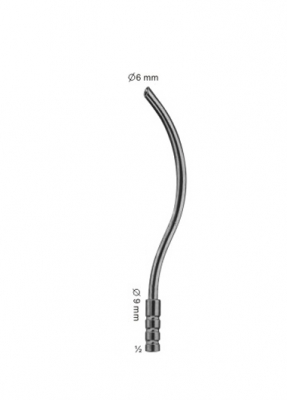
Suction Instruments AE 07 9067
Suction Instruments AE 07 9067
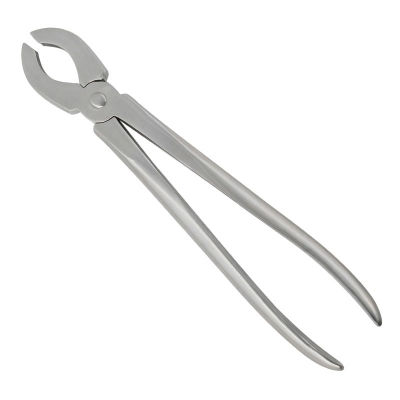
The “Suction Instruments AE 07 9067 Extracting Forceps” you’ve described is a specialized surgical tool likely used in a medical or dental context. Based on the name, it’s an extracting forceps with an added suction capability, manufactured by a company under the product code AE 07 9067. This combination of functions suggests a very specific application: the simultaneous removal of tissue or debris and the aspiration of fluids, such as blood or saliva, from a surgical site. This dual action is crucial for maintaining a clear and visible operating field, which is vital for precision and safety during surgical procedures.
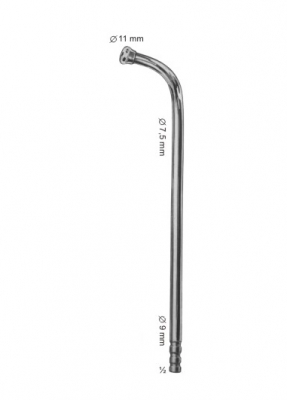
Suction Instruments AE 07 9067
Suction Instruments AE 07 9067
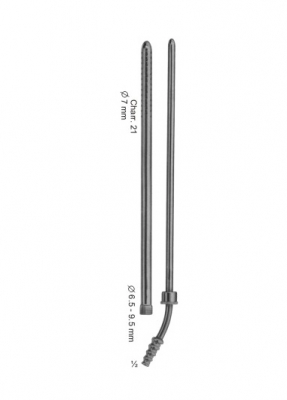
Suction Instruments AE 07 9067
The “Suction Instruments AE 07 9067 Extracting Forceps” you’ve described is a specialized surgical tool likely used in a medical or dental context. Based on the name, it’s an extracting forceps with an added suction capability, manufactured by a company under the product code AE 07 9067. This combination of functions suggests a very specific application: the simultaneous removal of tissue or debris and the aspiration of fluids, such as blood or saliva, from a surgical site. This dual action is crucial for maintaining a clear and visible operating field, which is vital for precision and safety during surgical procedures.
These forceps are probably crafted from high-quality, medical-grade stainless steel to ensure durability, corrosion resistance, and the ability to withstand repeated sterilization cycles (e.g., autoclaving) without compromising their structural integrity. The design likely incorporates a hollow channel or tube running through one or both of the jaws or handles, which connects to an external suction pump.
The “Suction Instruments AE 07 9067 Extracting Forceps” you’ve described is a specialized surgical tool likely used in a medical or dental context. Based on the name, it’s an extracting forceps with an added suction capability, manufactured by a company under the product code AE 07 9067. This combination of functions suggests a very specific application: the simultaneous removal of tissue or debris and the aspiration of fluids, such as blood or saliva, from a surgical site. This dual action is crucial for maintaining a clear and visible operating field, which is vital for precision and safety during surgical procedures.
These forceps are probably crafted from high-quality, medical-grade stainless steel to ensure durability, corrosion resistance, and the ability to withstand repeated sterilization cycles (e.g., autoclaving) without compromising their structural integrity. The design likely incorporates a hollow channel or tube running through one or both of the jaws or handles, which connects to an external suction pump. The tip of the forceps, or the “jaws,” would be specifically shaped to grasp and hold onto the intended target—be it a tooth, a bone fragment, or other tissue. The exact shape and size of the jaws would vary depending on the specific application, such as the extraction of a particular type of tooth or the removal of a specific kind of surgical debris.
The integrated suction feature sets this instrument apart from standard extracting forceps. The ability to aspirate fluid and debris as the forceps are being used is a significant advantage. In procedures like tooth extractions, this helps to manage bleeding and prevent the patient from aspirating blood or other fluids. It also allows the surgeon to see exactly what they’re doing without constantly having to wipe or clear the site, which can be time-consuming and disruptive. The controlled suction ensures a dry, clean field, reducing the risk of infection and improving the overall efficiency of the procedure. The handles are likely designed for ergonomic comfort and a secure grip, reducing hand fatigue during long operations and providing the surgeon with maximum control. This type of specialized instrument represents an advancement in surgical tools, combining multiple functions into a single, efficient device to streamline procedures and enhance patient outcomes.
The product name, “Suction Instruments AE 07 9067 Extracting Forceps,” is highly descriptive and provides several clues about its nature and function. The term “extracting forceps” indicates that its primary purpose is to grasp and remove objects, a common function in both dental and general surgery. In a dental context, for example, these are used to pull teeth. In other surgical fields, they might be used to remove foreign bodies or tissue masses. The inclusion of “suction” is the key feature, highlighting a dual-function design. This isn’t just a grasping tool; it’s also a fluid management tool. The suction mechanism is likely integrated into the body of the forceps itself, with a connection point for a suction tube. This eliminates the need for a separate suction instrument and an assistant to operate it, making the procedure more efficient and often allowing a single surgeon to perform tasks more effectively.
The materials used for such an instrument are critical. Medical-grade stainless steel, often of the 300 or 400 series, is the standard for surgical tools due to its resistance to rust and its ability to be sterilized at high temperatures. The manufacturing process for these forceps would be meticulous, involving precision machining to create the delicate suction channels and ensure the jaws align perfectly. The finish is typically matte to reduce glare from operating lights. The product code, “AE 07 9067,” is a unique identifier used by the manufacturer (presumably “Suction Instruments”) for inventory and quality control. This code is crucial for hospitals and clinics to reorder the correct instrument and ensure traceability in case of a product recall. The design of the forceps—including the length, curvature, and serrations on the jaws—would be tailored to the specific anatomical area they are intended to operate in. For instance, forceps for extracting a wisdom tooth would have a different shape than those for a different molar or an incisor. The combination of extraction and suction makes this a sophisticated and valuable tool for surgeons aiming for a cleaner, faster, and more controlled surgical environment.
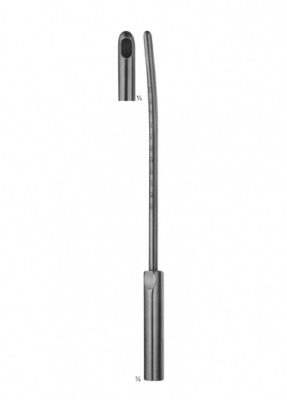
Suction Instruments AE 07 9067
Follow Us On Social Media Account
Reviews
There are no reviews yet.