

Description
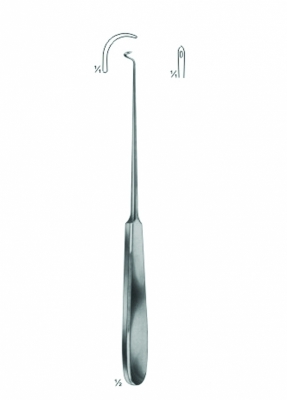
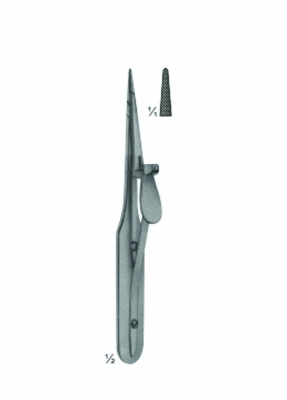
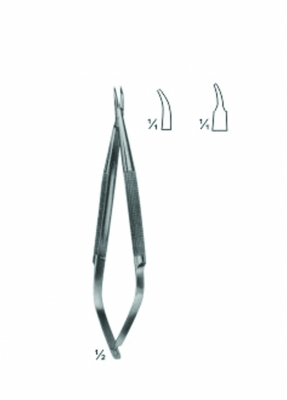
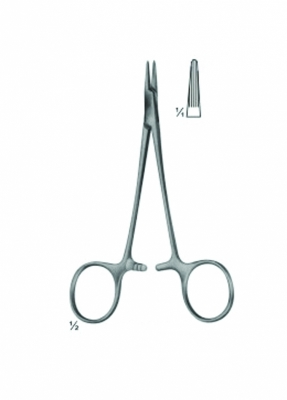
suture Instruments Ligature Needles AE 02 3923
suture Instruments Ligature Needles AE 02 3923
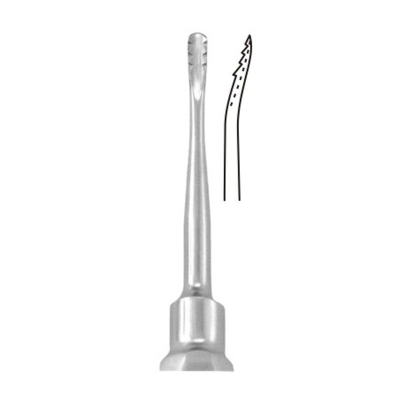
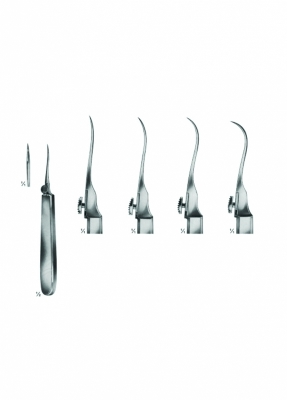
Ligature Needle AE 02-3923
Overview
The Ligature Needle AE 02-3923 is a precision surgical instrument de
Ligature Needle AE 02-3923
Overview
suture Instruments Ligature Needles AE 02 3923
suture Instruments Ligature Needles AE 02 3923
suture Instruments Ligature Needles AE 02 3923
suture Instruments Ligature Needles AE 02 3923
suture Instruments Ligature Needles AE 02 3923
suture Instruments Ligature Needles AE 02 3923
suture Instruments Ligature Needles AE 02 3923suture Instruments Ligature Needles AE 02 3923
suture Instruments Ligature Needles AE 02 3923
suture Instruments Ligature Needles AE 02 3923
suture Instruments Ligature Needles AE 02 3923
suture Instruments Ligature Needles AE 02 3923
suture Instruments Ligature Needles AE 02 3923
suture Instruments Ligature Needles AE 02 3923
suture Instruments Ligature Needles AE 02 3923
suture Instruments Ligature Needles AE 02 3923
The Ligature Needle AE 02-3923 is a precision surgical instrument designed for placing ligatures—ties or loops of suture material—around vessels, ducts, or confined tissue structures. As part of the suture instruments series, this needle is engineered to deliver excellent control, minimal tissue trauma, and high reliability in demanding surgical settings.
Design & Construction
Material: Made from high-grade surgical stainless steel that’s corrosion-resistant, capable of repeated sterilization (autoclave compatible), and able to retain sharpness and form under rigorous use.
Finish: Polished surface to allow smooth passage through soft tissues. The finish is typically mirror or satin where reflection reduction is needed; sharp or semi-sharp tip design ensures penetration without tearing.
Curvature and Shape: Likely curved (various curves depending on intended usage) to allow the surgeon to reach around anatomical structures or in deep fields. The curve helps guide the needle around vessels or ducts safely.
Length & Profile: While the exact overall length of AE 02-3923 is not publicly documented, ligature needles in related series often range between 180 mm to 230 mm in similar instrument lines. The shaft tends to be slender but robust enough to carry ligature suture material without bending.
Function & Uses
Primary Function: To carry suture or ligature thread through tissue or around structures where a tie is needed. Often used to encircle or ligate vessels or ducts, secure bleeding points, or anchor tissue flaps.
Surgical Areas: Frequently employed in general surgery, vascular surgery, gynecology, ENT, thoracic surgery, and any environment where ligatures must be placed deep, in tight spaces, or behind anatomical obstacles.
Benefits over standard needles: Since ligature needles often have curves, sometimes with specific angle turns, they help reach around corners or deeper anatomy. They minimize unnecessary retraction or tissue handling.
Key Features & Advantages
Reduced Tissue Trauma: Efficient tip design and smooth shaft reduce “drag” on tissues and lower the risk of tearing or damaging surrounding structures.
Control & Precision: The design allows placing ligatures with high precision even when visibility is partial or working space is limited.
Durability: Due to the use of surgical stainless steel and robust fabrication, the instrument can be reused repeatedly if properly cleaned and maintained.
Sterilizability: Can safely undergo standard sterilization cycles; stainless steel resists rusting or staining under these conditions.
Care & Handling
Clean thoroughly after each use—remove all biological debris and suture remnants, especially around the tip and curvature.
Inspect periodically for tip damage, bends in the shaft, or any irregularities in the curve. Even slight deformity can impair performance.
Sterilize per institutional protocols (autoclave), ensuring the instrument is fully dry afterward to prevent corrosion.
Store in proper trays or holders where the needle won’t be knocked or bent.
Extracting Forceps
Since “Extracting Forceps” typically refers to dental extraction instruments, the following description is based on standard design and usage in dentistry and oral surgery.
Description & Structure
Purpose: Extracting Forceps are tools used to grasp, hold, and remove a tooth (or tooth root) from its socket in the alveolar bone. They are essential in dental extractions (exodontia).
Components:
Beaks (Jaws): The working part that grips the tooth. They are contoured to match tooth anatomy (incisors, canines, molars). Often concave inner surfaces with grooves or serrations to enhance grip and reduce slipping.
Shank / Neck: The portion between the beaks and handles. The neck’s shape (straight, angled, bayonet-like) allows access depending on tooth location (upper vs lower jaw, anterior vs posterior).
Handles: Designed for firm ergonomic grip; may have textured surfaces. Designed to provide leverage without undue hand fatigue.
Joint / Hinge: If present, the pivot mechanism must be strong, precise, and stable to transmit force accurately from handles to beaks.
Material: High-grade, hardened stainless steel; durable under repeated sterilization and high force during extraction. Finish is polished to resist corrosion; surfaces that contact soft tissues are smooth to reduce tissue injury.
Function & Uses
Used in routine and surgical tooth extractions: diseased, fractured, or non-restorable teeth; root tips; wisdom teeth; sometimes in oral surgical removal of impacted or partially erupted teeth.
The forceps should allow strong grip, controlled leverage, and minimal damage to surrounding bone and soft tissue to facilitate healing.
Key Features & Advantages
Secure grip: Properly shaped beaks and serrations help ensure that once the tooth is grasped, slippage is minimized.
Leverage & control: Good handle design and correct beak shape allow efficient application of force. The forceps help in utilizing the mechanical advantage, reducing the effort needed by the operator.
Minimized tissue damage: Well-designed beaks and controls help preserve the alveolar bone and reduce gingival tearing, leading to faster recovery.
Longevity: Because of durable materials and precision manufacturing, forceps will retain shape and function over many uses if maintained properly.
Care & Maintenance
signed for placing ligatures—ties or loops of suture material—around vessels, ducts, or confined tissue structures. As part of the suture instruments series, this needle is engineered to deliver excellent control, minimal tissue trauma, and high reliability in demanding surgical settings.
Design & Construction
-
Material: Made from high-grade surgical stainless steel that’s corrosion-resistant, capable of repeated sterilization (autoclave compatible), and able to retain sharpness and form under rigorous use.
-
Finish: Polished surface to allow smooth passage through soft tissues. The finish is typically mirror or satin where reflection reduction is needed; sharp or semi-sharp tip design ensures penetration without tearing.
-
Curvature and Shape: Likely curved (various curves depending on intended usage) to allow the surgeon to reach around anatomical structures or in deep fields. The curve helps guide the needle around vessels or ducts safely.
-
Length & Profile: While the exact overall length of AE 02-3923 is not publicly documented, ligature needles in related series often range between 180 mm to 230 mm in similar instrument lines. The shaft tends to be slender but robust enough to carry ligature suture material without bending.
Function & Uses
-
Primary Function: To carry suture or ligature thread through tissue or around structures where a tie is needed. Often used to encircle or ligate vessels or ducts, secure bleeding points, or anchor tissue flaps.
-
Surgical Areas: Frequently employed in general surgery, vascular surgery, gynecology, ENT, thoracic surgery, and any environment where ligatures must be placed deep, in tight spaces, or behind anatomical obstacles.
-
Benefits over standard needles: Since ligature needles often have curves, sometimes with specific angle turns, they help reach around corners or deeper anatomy. They minimize unnecessary retraction or tissue handling.
Key Features & Advantages
-
Reduced Tissue Trauma: Efficient tip design and smooth shaft reduce “drag” on tissues and lower the risk of tearing or damaging surrounding structures.
-
Control & Precision: The design allows placing ligatures with high precision even when visibility is partial or working space is limited.
-
Durability: Due to the use of surgical stainless steel and robust fabrication, the instrument can be reused repeatedly if properly cleaned and maintained.
-
Sterilizability: Can safely undergo standard sterilization cycles; stainless steel resists rusting or staining under these conditions.
Care & Handling
-
Clean thoroughly after each use—remove all biological debris and suture remnants, especially around the tip and curvature.
-
Inspect periodically for tip damage, bends in the shaft, or any irregularities in the curve. Even slight deformity can impair performance.
-
Sterilize per institutional protocols (autoclave), ensuring the instrument is fully dry afterward to prevent corrosion.
-
Store in proper trays or holders where the needle won’t be knocked or bent.
Extracting Forceps
Since “Extracting Forceps” typically refers to dental extraction instruments, the following description is based on standard design and usage in dentistry and oral surgery.
Description & Structure
-
Purpose: Extracting Forceps are tools used to grasp, hold, and remove a tooth (or tooth root) from its socket in the alveolar bone. They are essential in dental extractions (exodontia).
-
Components:
-
Beaks (Jaws): The working part that grips the tooth. They are contoured to match tooth anatomy (incisors, canines, molars). Often concave inner surfaces with grooves or serrations to enhance grip and reduce slipping.
-
Shank / Neck: The portion between the beaks and handles. The neck’s shape (straight, angled, bayonet-like) allows access depending on tooth location (upper vs lower jaw, anterior vs posterior).
-
Handles: Designed for firm ergonomic grip; may have textured surfaces. Designed to provide leverage without undue hand fatigue.
-
Joint / Hinge: If present, the pivot mechanism must be strong, precise, and stable to transmit force accurately from handles to beaks.
-
-
Material: High-grade, hardened stainless steel; durable under repeated sterilization and high force during extraction. Finish is polished to resist corrosion; surfaces that contact soft tissues are smooth to reduce tissue injury.
Function & Uses
-
Used in routine and surgical tooth extractions: diseased, fractured, or non-restorable teeth; root tips; wisdom teeth; sometimes in oral surgical removal of impacted or partially erupted teeth.
-
The forceps should allow strong grip, controlled leverage, and minimal damage to surrounding bone and soft tissue to facilitate healing.
Key Features & Advantages
-
Secure grip: Properly shaped beaks and serrations help ensure that once the tooth is grasped, slippage is minimized.
-
Leverage & control: Good handle design and correct beak shape allow efficient application of force. The forceps help in utilizing the mechanical advantage, reducing the effort needed by the operator.
-
Minimized tissue damage: Well-designed beaks and controls help preserve the alveolar bone and reduce gingival tearing, leading to faster recovery.
-
Longevity: Because of durable materials and precision manufacturing, forceps will retain shape and function over many uses if maintained properly.
Care & Maintenance
suture Instruments Ligature Needles AE 02 3923
Follow Us On Social Media Account


Reviews
There are no reviews yet.