

When it comes to surgical procedures, even a small instrument can make a big difference. Surgical scissors are among the most frequently used tools in operating rooms, clinics and healthcare facilities. From cutting delicate tissues to trimming sutures, the right pair of scissors helps medical professionals perform their work with better control and precision.
But not all surgical scissors are the same. Different procedures require different blade shapes, sizes, tips and cutting abilities. Choosing the wrong type may affect handling and the quality of the task.
Whether you are a surgeon, medical equipment distributor, hospital purchasing manager or surgical instrument buyer, understanding the different types of scissors surgical instruments can help you make a more informed purchasing decision.
In this guide, we will explore common types of surgical scissors, their applications, important features and what to consider when selecting a reliable supplier.
Surgical scissors are specially designed medical instruments used for cutting, trimming and dissecting tissues or other materials during medical procedures.
Unlike ordinary scissors, they are manufactured for specific medical applications. Their design can include straight or curved blades, sharp or blunt tips, different handle lengths and different cutting edges.
The selection depends on the intended procedure and the material being cut.
For example, Mayo scissors are commonly used for heavier tissue, while Metzenbaum scissors are designed for more delicate dissection. Iris scissors are smaller instruments used for fine, precise work.
There are several types of surgical scissors available, and each has its own purpose. Here are some commonly used options.
Mayo scissors are strong, durable instruments designed for cutting heavier tissues and materials.
They are available in straight and curved designs.
Their heavier construction makes them suitable for applications that require more robust cutting performance.
Metzenbaum scissors are designed for delicate tissue dissection. They generally have longer handles and relatively slender blades.
They are commonly used in procedures where controlled cutting and careful tissue separation are important.
g tendons and other structures.
These scissors are available in different lengths and straight or curved patterns.
Iris scissors are small instruments originally developed for ophthalmic procedures.
Their fine blades make them useful for delicate cutting and precision work. They may be available with straight or curved blades and different tip configurations.
4. Operating Scissors
Operating scissors are general-purpose surgical instruments used in different medical procedures.
Depending on their design, they can be used for cutting tissues, dressings and other surgical materials.
They are commonly available in straight and curved patterns, with different blade and tip combinations.
Tenotomy scissors are fine surgical instruments designed for delicate procedures involvin
Their narrow blades and carefully designed tips allow controlled cutting in confined working areas.
They are available in different patterns to suit specific surgical requirements.
Suture scissors are specifically designed for cutting sutures during wound closure and suture removal.
Some patterns feature a small notch on one blade to help position the suture before cutting.
They are useful instruments in surgical departments, clinics and other healthcare settings.
Selecting surgical scissors is not just about choosing a particular style. Buyers should also pay attention to the instrument’s construction, finishing and functional performance.
Here are some important points to consider
The material plays an important role in the instrument’s durability and resistance to corrosion.
Surgical scissors are commonly manufactured using stainless steel grades selected according to the intended application and required properties.
Always check the material specification rather than assuming all stainless steel instruments have identical performance.
The blades should be properly aligned and should provide smooth, consistent cutting throughout their intended working range.
Poor blade alignment or an uneven cutting edge can affect performance.
A comfortable handle design allows users to maintain better control during instrument handling.
Finger rings should be appropriately sized, and the instrument should feel balanced for its intended application.
Straight and curved scissors serve different purposes.
Straight patterns may be suitable for accessible cutting tasks, while curved patterns can help users reach particular working angles.
Many medical distributors and healthcare brands prefer products that match their own specifications and market requirements.
This is where OEM surgical instruments become relevant.
OEM arrangements may involve customized product designs, dimensions, branding, packaging or other agreed manufacturing requirements.
Before placing an OEM order, buyers should clearly discuss:
Surgical scissors are used for cutting and dissecting tissues, trimming sutures and cutting other materials during medical procedures. Their specific applications depend on the instrument’s design.
Common types include Mayo scissors, Metzenbaum scissors, Iris scissors, operating scissors, tenotomy scissors and suture scissors.
Mayo scissors have a heavier construction and are commonly used for thicker tissues and materials. Metzenbaum scissors have a lighter, more delicate design and are generally used for delicate tissue dissection.
Straight scissors are commonly used for accessible cutting tasks, while curved scissors provide a different working angle that can be useful for particular procedures. The selection depends on the intended application.
Stainless steel is commonly used because of its mechanical properties and corrosion resistance. The specific grade should be selected according to the instrument’s intended use and product specifications.
Look for clear material specifications, product consistency, functional inspection, suitable documentation, customization options and reliable communication.
Yes. Depending on the manufacturer’s capabilities, OEM arrangements may include customized patterns, dimensions, branding, finishing and packaging.
Yes. Certain types of surgical scissors are used in dental and oral surgery for specific cutting and soft-tissue procedures. The instrument must be appropriate for its intended application.
Follow the specific manufacturer’s instructions for cleaning, disinfection and sterilization. Appropriate reprocessing is essential before reusable instruments are used again.
Proper blade alignment supports smooth and consistent cutting performance. Misaligned blades may affect the instrument’s intended function and should be evaluated during inspection.

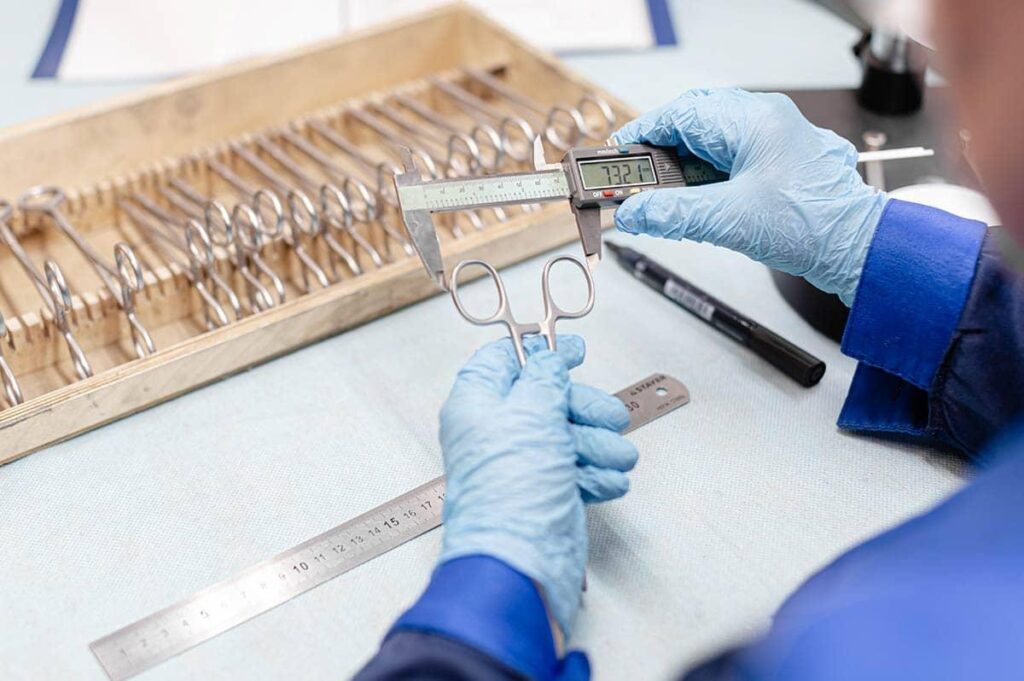
Manufacturing Quality Inspection
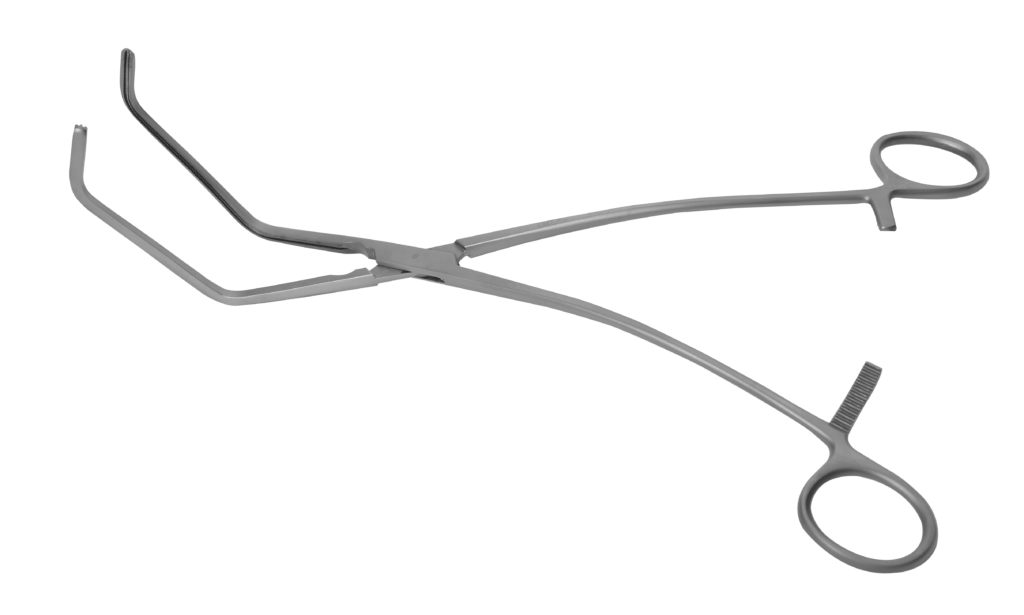
DEBAKY FORCEP
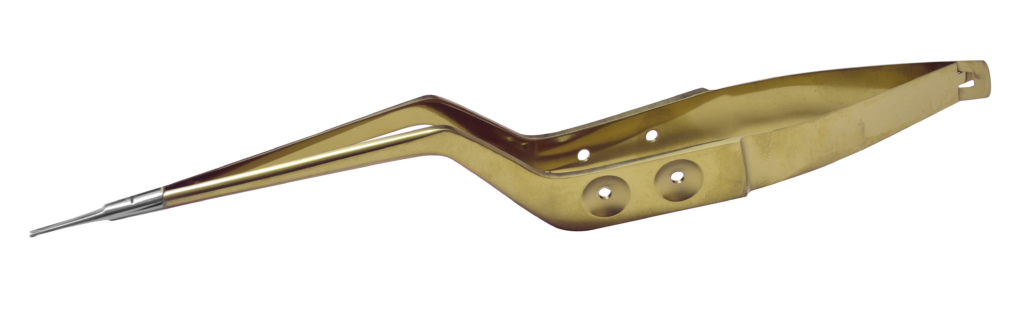
MICRO NEEDLE [ENT]
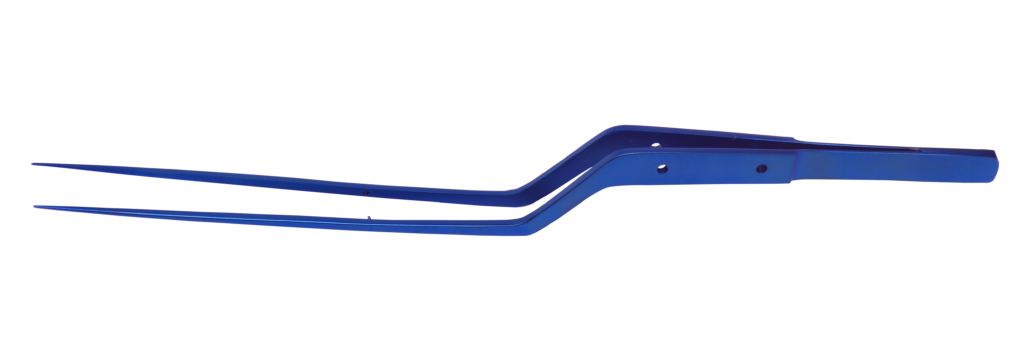
YASIRGIL MICRO FORCEP [NRURO SURGERY]
Another important difference is the shape of the blades. Surgical scissors are generally available in straight and curved patterns.
Straight surgical scissors
Straight scissors have blades that follow a straight line. They are commonly selected for accessible cutting tasks, including cutting sutures and certain surgical materials.
Curved surgical scissors
Curved scissors have blades with a curved profile. This design can provide a different approach angle and may be useful when working around anatomical structures or in particular surgical areas.
Neither design is universally better. The correct option depends on the procedure and the user’s requirements.
For medical distributors, wholesalers and purchasing teams, choosing a manufacturer involves more than comparing prices.
A reliable manufacturing partner should understand different instrument patterns and be able to explain product specifications clearly.
Before placing an order, buyers should consider the following:
These details are especially important for businesses sourcing surgical instruments for international markets.
At Arsa Enterprises, we understand that buyers need clear product information when evaluating surgical instruments. Whether you are sourcing surgical scissors, dental instruments or other medical instruments, discussing your requirements with the supplier is a useful first step.
EXPERIENCE
Years of ExperienceIn surgical instrument manufacturing
Export MarketsMiddle East, Europe and USA
Countries ServedInternational business reach
Team MembersManufacturing and busine
Contact us;